Aesthetics and engineering in one bottle….. Oil.
The Oil-Cooled Raspberry Pi project demonstrates an alternative, silent and visually spectacular way of cooling a mini-computer. Instead of fans and radiators, the author placed the entire board in a transparent aquarium with mineral oil, creating a unique stand that combines visual appeal and engineering thinking.
What’s realized:
- Fully immersing the Raspberry Pi in mineral oil, which is safe for electronics;
- Using the oil as a heat transfer fluid to dissipate heat away from the components;
- Transparent aquarium + backlighting create a visually appealing effect;
- Device can run at high frequencies without overheating;
- Suitable for experimentation as well as for continuous operation under load.
Components and assembly:
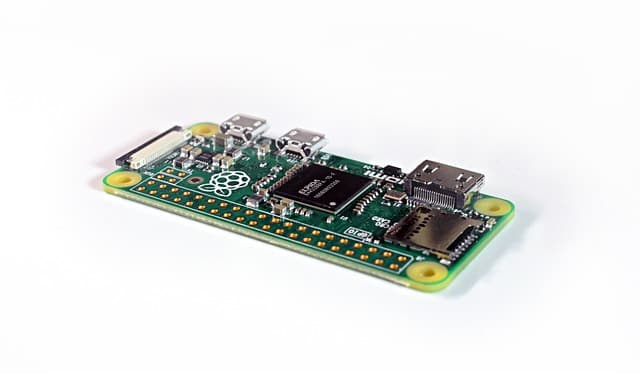
- Raspberry Pi 3 or 4;
- Mineral oil (dielectric – does not conduct current, safe for boards);
- Glass or acrylic container;
- Optional: LED backlight, temperature sensor, operation monitoring;
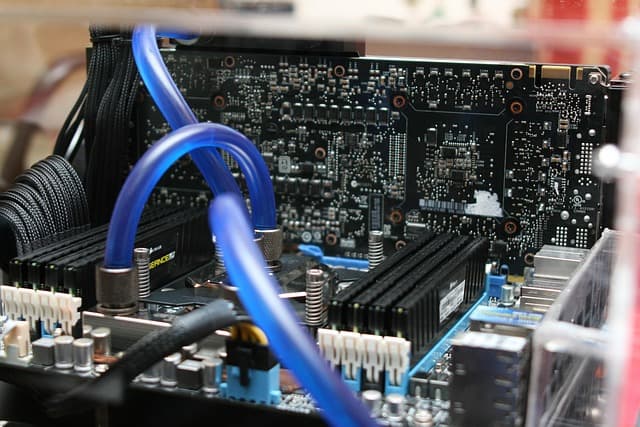
- Integration with screen, sensors or even water cooling in combination is possible.
Why it’s interesting:
This kind of cooling has long been used in data centers and server systems, but rarely in home DIY. The project does a great job of demonstrating alternative approaches to temperature control, combining real-world effects with visual novelty.
Who it’s good for:
- Hackers experimenting with cooling and overclocking;
- Those who want an unusual case for their Raspberry Pi;
- Makers creating interactive installations;
- Teachers demonstrating thermal solutions and physics.
Why on TorcA314:
This is a project about curiosity, freedom to experiment and the courage to try the unconventional. It demonstrates how even ordinary oil can become part of a high-tech solution when enthusiasts get involved.